
The Forgotten

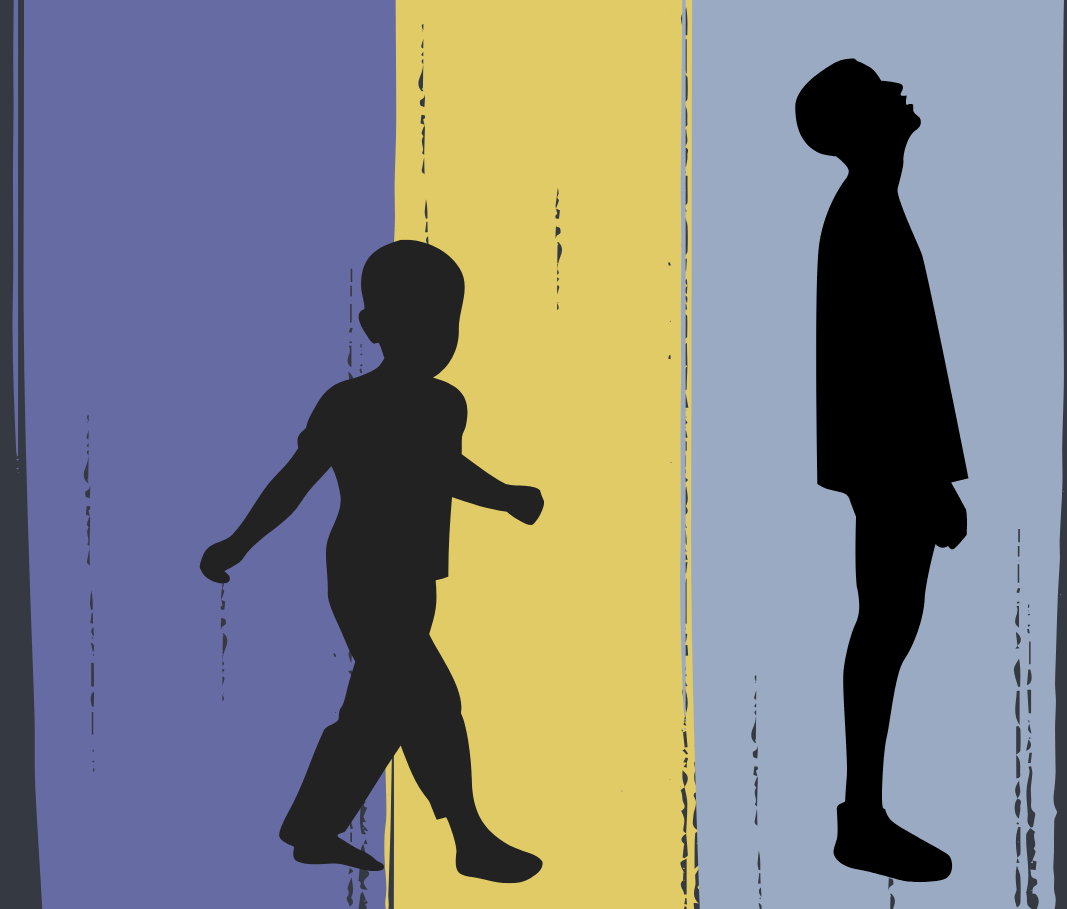
Somewhere in the developing world, in a dusty farming town where children still help their parents earn a living after school, a thirteen-year-old boy pushed a wheelbarrow loaded with sugarcane through crowded streets. His father grew the crop. Selling it paid for school uniforms, food, and whatever little dreams the family could afford.
On one blistering afternoon, exhausted from the heat, the boy tried to steer his wheelbarrow beneath a tree for shade.
The wheel clipped the headlight of a parked car.
It cracked. He could have run. Most children probably would have. Instead, he waited. For nearly half an hour.
When the owner finally returned, the boy held the broken headlight in trembling hands, ready to apologise.
He never got the chance.
The man was a senior police officer.
Before the frightened teenager could explain, he was beaten, thrown into a police vehicle, and locked inside a cell.
The officer ordered his subordinates to keep him there. Then he drove away. No paperwork. No charges. No investigation. Just a child behind bars.
The boy believed someone would realise a mistake had been made. Someone always does. Doesn't he?
The next morning became the following week.
The following week became another month.
Nobody asked his name.
Nobody asked where his parents were.
Nobody asked why a thirteen-year-old child was sharing a cell with adults.
One day he was placed with a group of detainees and taken to court. The hearing never happened. Instead, they were all sent to prison on remand.
The prison became his address.
The prison became his school.
The prison became his family.
Years passed. Then decades. He learned how prisons work. How men disappear into paperwork. How transfers happen without explanation. How files go missing. How forgotten people become invisible.
He was moved from one correctional facility to another so many times that even he stopped asking where he was going.
Eventually, the young boy became the oldest inmate wherever he arrived. Everyone called him "Old Man."
Nobody knew that beneath the wrinkles was a child who had never really gone home.
Perhaps the most frightening part of the story is not that one officer abused his authority. History has given us many examples of that.
The frightening part is that an entire system accepted his disappearance as normal.
Think about that for a moment. One person can make a mistake. An institution has to cooperate for that mistake to survive fifty years.
Every prison transfer required signatures. Every inspection involved officials. Every prison Warden walked past him. Every court had records that should have been questioned. Every government inherited the failure of the one before it.
Yet somehow, nobody asked the simplest question in public administration: "Why is this man here?"
Justice does not always fail instantly. Sometimes it simply falls asleep for a really long time.
It is easy to blame one police officer. It is harder to confront the quiet bureaucracy that allowed one forgotten file to become a forgotten life.
Near the end of one State governor's final term in office, he visited the prison. It was supposed to be another routine inspection. Then he noticed the elderly inmate. Something about the man's face made him stop.
"How long have you been here?" he asked.
The old man looked down before answering.
"I came here as a child."
Silence spread through the prison yard.
Prisoners stopped talking.
Officers lowered their eyes.
For the first time in almost half a century, someone asked the question that should have been asked on the very first day.
An investigation followed. The truth slowly emerged.
The police officer responsible had long since retired. He had become one of the most respected traditional leaders in the state.
Power had elevated him. Time had protected him. Memory had almost erased the boy he left behind.
The State governor brought the old man face to face with the traditional ruler. The elderly ruler reportedly offered everything money could buy.
A house. A wife. Financial security. A comfortable life.
The old prisoner listened quietly before replying.
"You are too late."
What gift replaces a stolen childhood?
What compensation repays the birthdays never celebrated?
The parents who died believing their son had vanished?
The siblings who grew old waiting?
The education never completed.
The family never started.
The grandchildren who never existed.
Some losses cannot be calculated. Some debts cannot be settled. Justice delayed is often described as justice denied.
Perhaps that phrase is incomplete. Sometimes justice delayed becomes identity denied. Because prison had not only taken away the man's freedom. It had slowly erased the person he might have become.
The saddest prisons are not always built with concrete. Some are built with indifference.
His story raises uncomfortable questions for every country.
How many people remain in detention because someone forgot to review a file?
How many children disappear into systems that were designed to protect them?
How many lives are quietly buried beneath administrative errors that nobody wants to revisit?
We often measure justice by convictions. Perhaps we should also measure it by remembrance.
By asking difficult questions. By reviewing forgotten cases. By refusing to believe that every person behind bars has been seen, heard, and treated fairly.
Because every prison contains stories. While Some rightfully belong there. Others may never have belonged there at all.
And perhaps the greatest test of any justice system is not how quickly it punishes the guilty. It is whether it notices the innocent before their entire life passes behind a locked door.
After all, freedom taken for a day is painful, but Freedom taken for a lifetime is a tragedy.
But a society that forgets to ask where its children have gone, risks imprisoning far more than a single life. It imprisons its own humanity.
---
Over the past few weeks, we've been quietly working behind the scenes, building something we genuinely believe you'll enjoy. We've been collecting individual submissions from you. We thank those who responded to the pilot submissions. An announcement would be made in the nearest future. We can't wait to have you with us for this next chapter.
Until then, we simply want to say again, Thank you!
Thank you to everyone who has read our stories, shared our work, sent us encouraging messages, and stayed with us even during our silence. Your support means more than you know.
If you'd like to help us continue creating thoughtful, independent content, you can support us with a Bitcoin donation:
BTC: 15hGuFcxJ2NH7s8Ho6zVch21A1anVAzD1e
If Bitcoin isn't your thing but you'd still like to support in another way, we'd love to hear from you. We're always open to ideas and partnerships.
From everyone here at LoopedIn, thank you for believing in what we do.
You're amazing. ❤️