
Subscription Culture Promised Us Choice, But It Gave Us Servitude

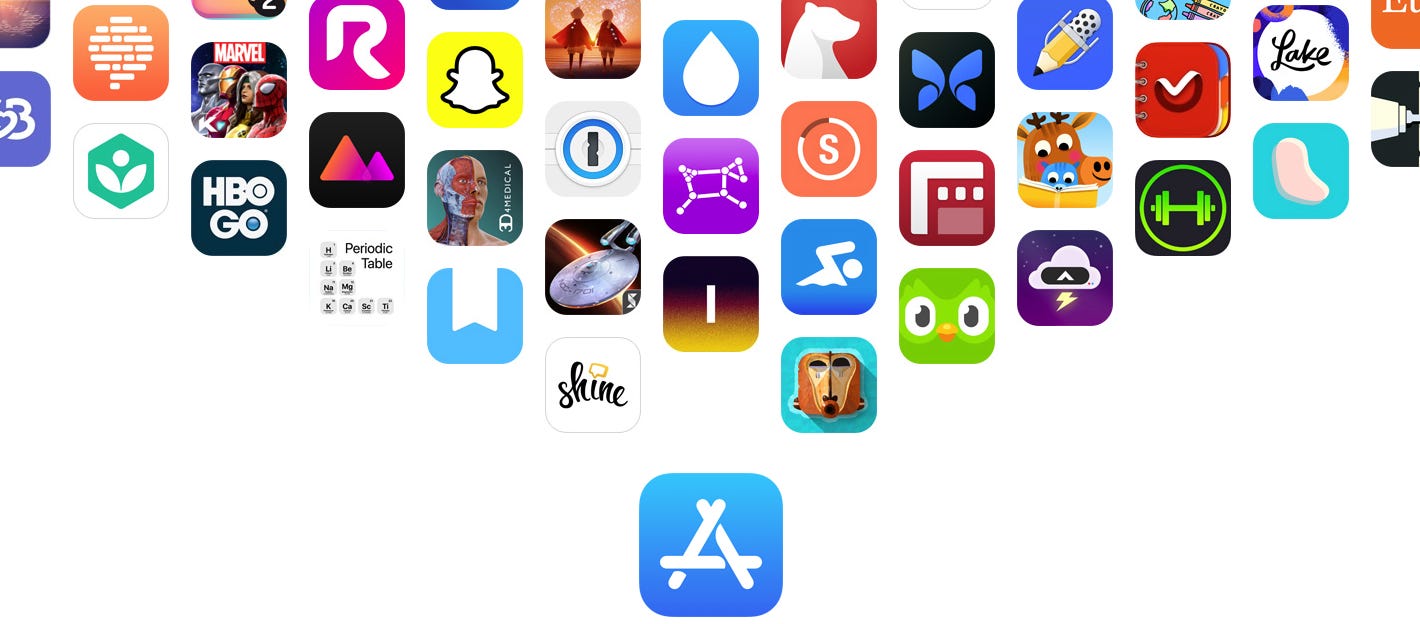
I did a frightening exercise last month: I sat down and audited my life. Not my goals or my relationships, but the quiet, relentless drain of my monthly bank statement. There they were, a dozen tiny, silent tenants living in my account: streaming services, software licenses, music platforms, news access, even a subscription for razor blades. Each one was a small, justifiable expense. But taken together, they felt less like a portfolio of choices and more like a collection of chains.
We were sold a revolution in ownership. The promise of the subscription model was one of ultimate consumer freedom: no more bulky CDs or DVDs, no large upfront costs, and the liberating ability to cancel anything with a single click. We would pay for what we use, unshackled from the burden of permanent possession. We embraced this future with open arms, signing up for everything from movies and music to razors and underwear. But a decade into this grand experiment, a sinister truth has emerged. We did not escape ownership; we merely became tenants in our own lives, locked into a new form of servitude where we own nothing, control less, and pay forever.
The initial allure was a mirage. The promise of “choice” was really the imposition of perpetual obligation. The subscription economy arrived as a liberator. We have traded the one-time cost of a product for a lifetime of monthly payments, creating a personal economy of endless overhead. It promised to free us from the burdens of ownership. Why buy a CD when you could access every song ever made? Why purchase clunky software when you could rent the latest version for a small monthly fee?. The clutter of objects in our homes has been replaced by an invisible, ever-growing clutter of financial commitments silently draining our accounts. We were offered a world of infinite access, constant novelty, and the ultimate flexibility of cancel anytime. The mental load of tracking these subscriptions—the free trials we forget to cancel, the price hikes that slip through, the annual fees that auto-renew—creates a low-grade anxiety that is the opposite of the liberation we were promised. We were trading the anchor of ownership for the wings of access. It was a seductive, irresistible bargain. But a decade into this grand experiment, the truth feels different. The wings have grown heavy. We have become a generation of digital serfs, paying perpetual rent on our own lives to a handful of feudal tech lords. We are no longer consumers; we are recurring revenue streams.
This model has systematically dismantled our sense of agency. Ownership meant control. If you bought a CD, you could lend it to a friend, sell it at a garage sale, or play it on any device you wanted, forever. Subscription-based access is conditional, revocable, and subject to the whims of a corporation. A film can disappear from a streaming service overnight due to licensing disputes. A beloved feature in an app can be removed with an update. Your access to your own creative work on a software platform can be terminated if you miss a payment. We have gained a superficial flexibility at the profound cost of sovereignty over the tools and media that shape our lives.
The most perverse innovation of the subscription economy is its psychological manipulation of value. A $15 monthly fee feels negligible, a small price for a world of entertainment. But multiplied across a dozen services, it becomes a significant financial anchor. This model is designed to make cost opaque and frictionless, encouraging us to thoughtlessly accumulate services we barely use. We are no longer making conscious purchasing decisions; we are passively maintaining a status quo, our inertia monetized by companies that know it’s easier to keep a subscriber than to win a new customer. The “free” trial is the ultimate trap, leveraging our forgetfulness and aversion to hassle as a business strategy.
This isn’t just about the financial drain, the slow bleed of a thousand tiny cuts. It's about a profound psychological shift. The pride of building a personal library—of books, music, or films that told the story of who you were—has been replaced by a fleeting, algorithm-driven taste profile. Our cultural lives have become ephemeral. The things that shape us are no longer possessions we treasure, but utilities we temporarily access. If we stop paying, our history, our tools, and our comforts simply vanish. The freedom to leave is a fiction when the cost of leaving is starting your professional life over from scratch. This isn't freedom; it's a form of high-tech tenant farming, where we never build equity in our own culture.
This is more than a consumer issue; it is a societal shift in the balance of power. It creates a permanent, subordinate class of users who are forever renting their digital existence from a small group of corporate landlords. The promise of choice has resulted in a paradox of constraint: we have more options than ever, yet less freedom to truly command them.
So what is the way out? It’s not a Luddite’s rejection of all technology, but a conscious and deliberate rebellion against the tyranny of the default. It begins with a choice to own things again. To buy the album from the artist you love. To purchase the software you truly need. To build a library, however small, that is yours and yours alone, a permanent archive of your own curiosity. We must relearn the distinction between what we need to access and what we deserve to own. Reclaiming our autonomy requires a conscious counter-revolution. It means conducting a ruthless audit of our subscriptions and asking a simple, brutal question: “Does this service provide enough consistent value to justify a permanent line item in my budget?” It means rediscovering the power of ownership—buying the physical media, using open-source software, and patronizing businesses that still believe in a one-time sale. It is about choosing the clarity of a single purchase over the fog of a perpetual fee.
The subscription model did not kill ownership. It just reframed it as a burden and sold us a lighter, more expensive chain. True freedom isn’t found in the ease of cancellation, but in the power of possession. It’s time to cancel our servitude and reinvest in the things we can truly call our own. Afterall, the most liberating choice, it turns out, is not to rent the world, but to own a small piece of it.
…
If our musings, insights, and occasional strokes of brilliance have made you think, laugh, or nod like a wise owl, consider tossing a coin to your content creator. Or in this case, some BTC.
BTC Wallet:
bc1q0u70wz0wn7xga3uj4rre7g28mp8pqw5xg84mu6
(Yes, it’s long. No, it’s not a Wi-Fi password.)
Your support helps us keep the lights on, the ideas flowing, and the typos to a minimum. Think of it as fueling independent writing, without the corporate fluff or clickbait traps.
📬 Want more of this goodness?
Hit that subscribe button like it owes you money, share with your smartest friends (or the ones who need it most), and jump into the convo. We love hearing from you.
Thanks for riding along. The next edition’s already in the oven, and it smells amazing.
Cheers, Guys. You rock. 😎